Understanding the Dynamic Relationship Between Aligners and Your Teeth
The human mouth is never truly at rest. Throughout the day, teeth experience a remarkable range of natural movements influenced by everything from morning coffee to evening conversation. What makes modern orthodontic treatment particularly fascinating is how Invisalign Luton practitioners utilise aligners that work in harmony with these natural patterns rather than against them. The relationship between clear aligners and the subtle shifts occurring in one’s mouth represents a sophisticated dance of biomechanics and material science.
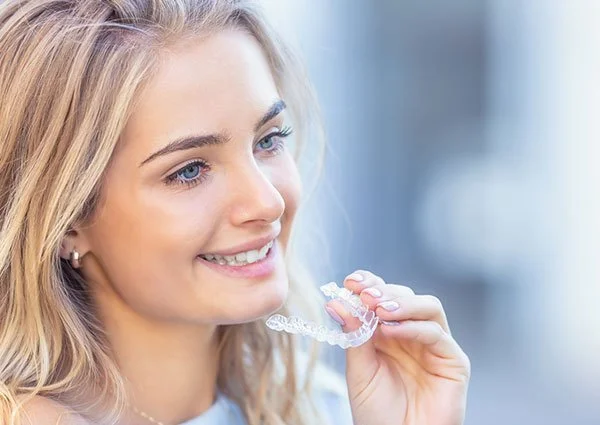
Unlike traditional fixed braces that remain rigidly attached to teeth, clear aligners create a dynamic system that responds to the wearer’s daily activities. These medical-grade thermoplastic devices apply consistent yet gentle pressure whilst simultaneously accommodating the natural flexion and movement that occurs during eating, speaking, and even sleeping. The result is a treatment approach that feels considerably more organic than conventional orthodontic methods.
The Science of Natural Tooth Movement
Teeth are not fixed rigidly in the jawbone as many people assume. Each tooth sits within a periodontal ligament, a remarkable connective tissue that allows for microscopic movement throughout the day. This natural mobility serves important biological functions, from absorbing the impact of chewing forces to maintaining healthy blood flow around the tooth roots. Understanding the biomechanics of tooth movement helps explain why orthodontic treatment requires such precise calibration.
Daily Patterns of Tooth Position
Research has demonstrated that teeth undergo predictable patterns of movement throughout a typical day. During morning hours, teeth tend to be at their most stable position following a night of minimal stress. As the day progresses and normal activities resume, teeth experience various directional forces. Chewing creates vertical and lateral pressures, whilst speaking generates lighter but more frequent movements. Even unconscious habits like tongue positioning contribute to this constant state of gentle flux.
How Aligners Accommodate Natural Flexibility
Clear aligners are engineered with a specific degree of flexibility that allows them to move with teeth during normal daily activities whilst maintaining the corrective pressure needed for orthodontic progress. This balance is achieved through careful material selection and precise manufacturing tolerances. The thermoplastic material softens slightly at body temperature, creating a comfortable fit that adapts to minor variations in tooth position throughout the day.
The Role of Circadian Rhythms in Orthodontic Treatment
The human body operates on circadian rhythms that influence everything from hormone production to cellular repair, and teeth are no exception to these biological cycles. During sleep, reduced muscle activity and decreased saliva production create an environment where teeth can settle into their most natural positions. Clear aligners take advantage of these nocturnal hours, when the mouth is relatively still, to exert their most effective corrective influence without interference from daily activities.
Throughout waking hours, the constant micro-movements caused by speaking, eating, and jaw positioning mean that aligners must work alongside these natural patterns. The sophisticated design of modern clear aligners accounts for this variability, ensuring that therapeutic pressure remains consistent even as teeth shift slightly within their normal range of motion. This represents a significant advancement in orthodontic technology, as recent research in bioengineering demonstrates the importance of understanding these complex interactions.
Temperature and Pressure Variations
The temperature inside the mouth fluctuates throughout the day based on food and beverage consumption. Hot drinks can temporarily increase aligner flexibility, whilst cold substances may cause slight contraction. These thermal variations are accounted for in the manufacturing process, ensuring that aligners maintain their corrective properties across a range of normal oral temperatures. The material science behind these devices is remarkably sophisticated, allowing for consistent performance despite environmental changes.
Maximising Treatment Effectiveness
Understanding how aligners respond to natural tooth movement patterns empowers patients to optimise their treatment outcomes. Wearing aligners for the recommended twenty-two hours per day ensures that teeth receive consistent guidance throughout all phases of their natural daily movement cycles. Those considering treatment can explore educational resources, such as informative videos about aligner technology, to better understand the process.
The integration of clear aligner therapy with natural tooth biomechanics represents a triumph of modern orthodontics. By working with the body’s inherent patterns rather than forcing rigid compliance, this approach achieves results that are both effective and comfortable. The technology continues to evolve, promising even more refined treatments that respect the dynamic nature of oral structures whilst delivering the transformative results patients desire.