The Hidden Dental Impact of Modern Work Life
Most people recognise that diet and oral hygiene affect their dental health, but few consider the impact their workplace environment can have on their teeth. From daily routines and stress levels to workplace habits and conditions, the modern working environment can influence the delicate balance within the mouth and contribute to long-term oral health issues.
A healthy mouth typically maintains a balanced pH level that helps protect tooth enamel from damage. When the oral environment becomes too acidic, enamel can begin to weaken, increasing the risk of sensitivity, erosion, and tooth decay. While food and drink choices are important factors, workplace-related influences such as stress, dehydration, and frequent snacking can also affect this balance.
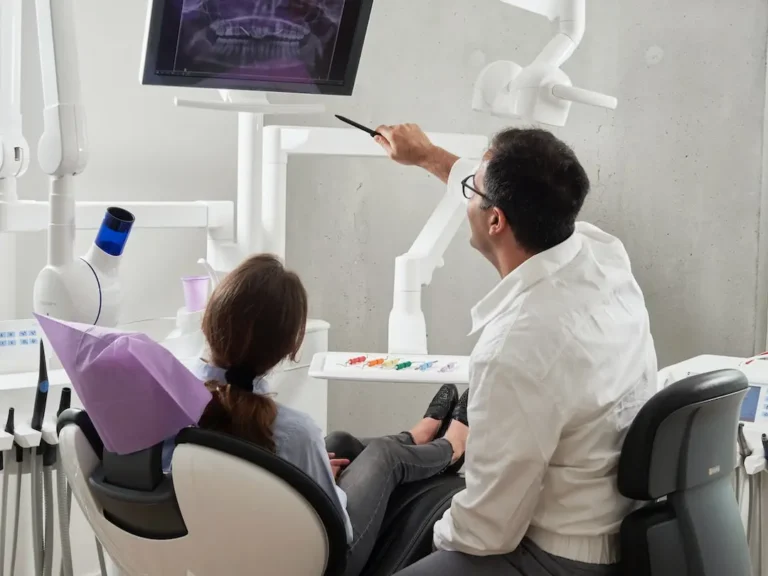
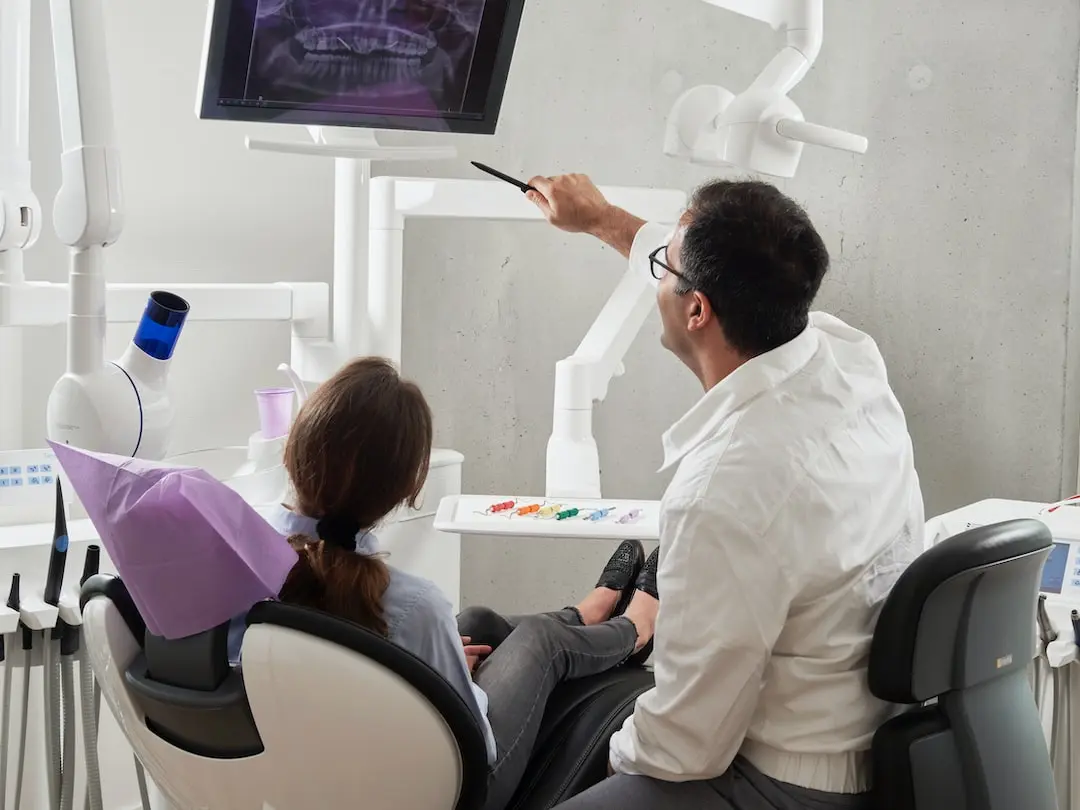
Understanding how your work environment impacts oral health can help you make informed lifestyle choices and take preventative action. Regular check-ups with a dentist Leatherhead can help identify early signs of enamel wear and ensure your teeth remain healthy despite the challenges of a busy working life.
Stress and Salivary Chemistry
Modern workplaces frequently generate psychological stress, whether through demanding deadlines, interpersonal conflicts, or the pressure of performance targets. What many fail to realise is that stress triggers measurable changes in salivary composition and flow rate. Research has demonstrated that stress significantly impacts salivary pH levels, with heightened cortisol production correlating with increased oral acidity.
When the body enters a stress response, saliva production often decreases whilst its chemical composition shifts. Saliva serves as the mouth’s natural defence system, neutralising acids and remineralising enamel through its calcium and phosphate content. Reduced salivary flow means these protective mechanisms operate at diminished capacity, allowing acidic conditions to persist longer than they would under normal circumstances. For those working in high-pressure environments, this chronic state of reduced protection can accumulate into significant enamel erosion over months and years.
The Air Quality Factor
Office air conditioning and heating systems, whilst providing comfort, often create environments with reduced humidity levels. Dry air accelerates moisture loss from mucous membranes, including those within the mouth. This environmental factor compounds any stress-related reduction in saliva production, further compromising the mouth’s natural buffering capacity.
Workers in climate-controlled environments may find themselves unconsciously breathing through their mouths, particularly when concentrating on tasks, which exacerbates oral dryness. The cumulative effect creates an environment where acids from foods, beverages, and bacterial metabolism linger on tooth surfaces far longer than nature intended, steadily eroding the protective enamel layer.
Workplace Beverage Culture and pH Disruption
The typical office kitchen presents a minefield of acidic beverages. Coffee, with a pH between 4.85 and 5.10, dominates workplace culture, whilst fruit juices and fizzy drinks frequently appear in communal refrigerators. Many professionals engage in continuous sipping throughout the day, maintaining a near-constant acidic environment within the mouth rather than allowing periods of pH recovery between consumption.
Energy drinks have become particularly prevalent amongst shift workers and those facing tight deadlines. Studies examining the erosive potential of various beverages reveal that many popular energy drinks exhibit pH levels below 3, placing them amongst the most damaging options for dental enamel. The combination of high acidity and frequent consumption creates ideal conditions for progressive enamel erosion.
Shift Work and Circadian Disruption
For those working non-traditional hours, the challenges multiply. Circadian rhythms regulate numerous bodily functions, including salivary flow patterns. Research into oral health and shift work patterns indicates that disrupted sleep cycles correlate with altered salivary parameters and increased risk of dental problems. Night shift workers often experience reduced saliva production during their waking hours, compounding the protective deficit when they need it most.
Protecting Your Enamel in Professional Settings
Awareness represents the first defence against workplace-induced enamel erosion. Professionals can take practical steps to counteract environmental factors, including maintaining hydration with water, limiting acidic beverage consumption, and implementing stress-reduction techniques. Regular dental check-ups allow for early detection of enamel erosion, with a dentist Leatherhead or local dental professional able to provide personalised guidance based on individual risk factors and occupational circumstances.
Final Thoughts on Workplace Wellness and Oral Health
The relationship between workplace environment and oral pH levels demonstrates how holistic health truly is. Protecting dental enamel requires consideration of factors extending well beyond brushing and flossing routines. By recognising how stress, air quality, beverage choices, and work patterns influence oral chemistry, professionals can make informed decisions that preserve their dental health alongside their career ambitions.